
This post may contain affiliate links. Please read our disclosure policy.
Learn how to make an einkorn sourdough starter with these simple steps. This foolproof guide is beginner-friendly and walks you through each step so you can bake with your einkorn starter in 10-14 days.
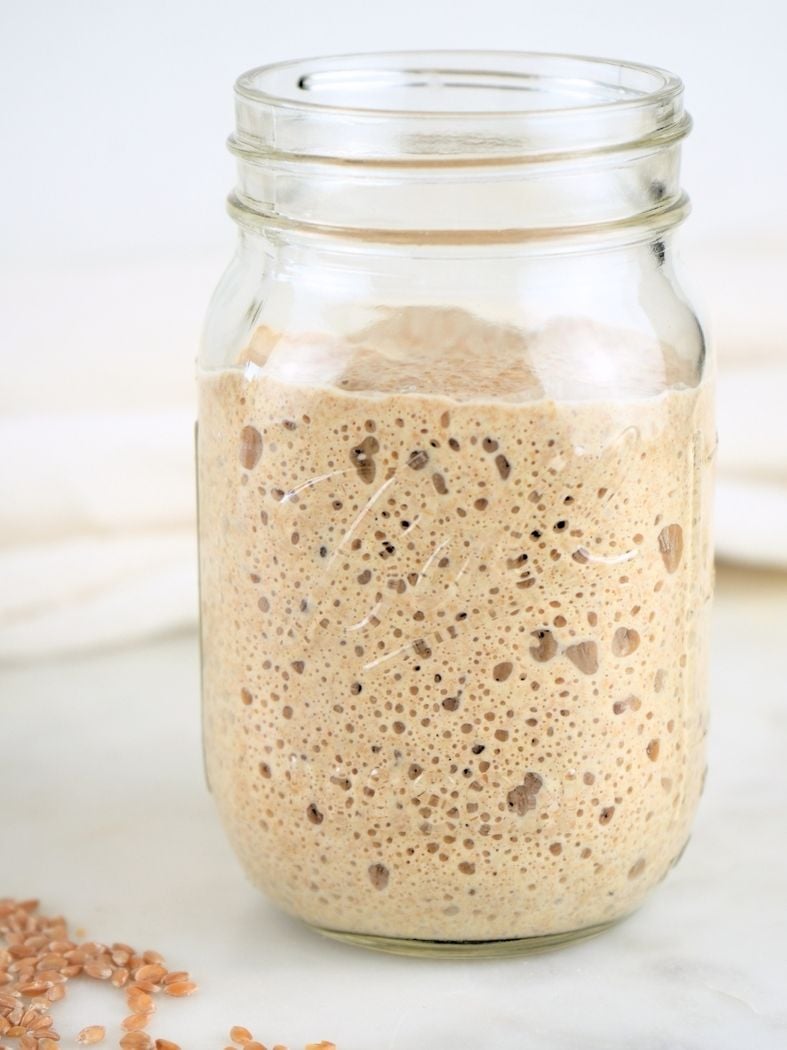
Over the years, many of you have asked for tips on making an einkorn sourdough starter, especially when I shared my fresh-milled sourdough starter video and fresh-milled flour sourdough starter recipe.
Luckily, making an einkorn starter is really simple! Whether you're brand-new to sourdough or already have a sourdough starter going, the process will feel familiar, if not identical.
It takes a little patience, but within about 10 days, you'll have a healthy, active starter ready to bake with.
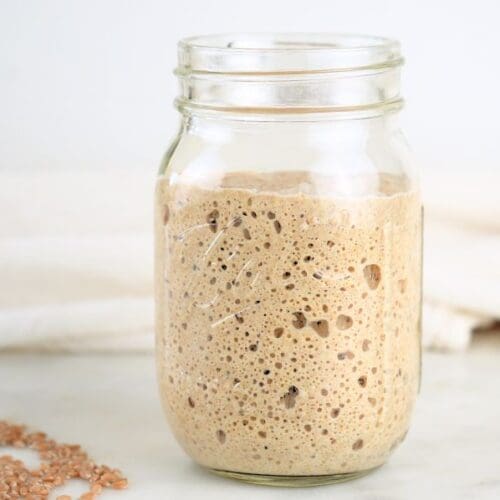
If you have experience with other types of starters, the biggest difference you'll notice is the texture. Because einkorn has a weaker gluten structure, your starter will look a little thinner than one made with modern wheat, and that's totally normal.
Otherwise, everything works the same. Once it's mature, you can use your starter in any einkorn sourdough recipe, such as einkorn sourdough bread.
You can even toss the discard into quick recipes like einkorn chocolate chip cookies or einkorn cheddar drop biscuits.
And the best part? You're not limited to einkorn recipes. Your einkorn starter will work beautifully in any sourdough recipe!
What Is An Einkorn Starter?
An einkorn sourdough starter is a natural culture made by mixing einkorn flour and water, then allowing it to ferment so wild yeast and bacteria can grow.
Once mature, your einkorn sourdough starter becomes the natural leavening for your bread dough.
Instead of relying on commercial yeast, the wild yeast in your starter helps your bread rise and develop its tangy flavor.
Unlike starters made with modern wheat, einkorn starter is thinner and more delicate because of the grain's weak gluten structure.
It has a mild, slightly sweet aroma and produces mild-flavored, tender baked goods.
Why You’ll Love This Recipe
Ancient Grains: Einkorn is one of the oldest forms of wheat. As such, it has more nutritional density and health benefits than modern wheat varieties.
Beginner-Friendly: If you can stir flour and water, you can make a sourdough starter. Also, because einkorn contains more micronutrients, it’s sometimes easier to make a starter with than all-purpose.
Versatile Recipes: Your einkorn sourdough starter can be used in any sourdough bread recipe or discard recipe, such as sourdough Valentine’s brownies or sourdough discard coffee cake.
Heirloom Skill: Creating and maintaining a sourdough starter is a timeless skill that brings joy to your kitchen and connection with others. (Ps. Sourdough is more fun with a friend. Your baking bestie will love this DIY sourdough gift set.)
Digestibility: Some folks find einkorn easier to digest than modern wheat because of its simpler gluten structure.
Ingredients

Einkorn Flour: Any einkorn flour will work. I used fresh-milled, but store-bought is fine for this recipe. Jovial, Azure Standard, and Grand Teton Ancient Grains are popular brands.
Water: Use filtered water to make your sourdough starter. I use the water from my fridge dispenser. Just make sure the water isn’t hot. Hot water will kill the yeast and bacteria needed for your starter.
Get the full list of ingredients and measurements on the printable recipe card below.
Tools You Will Need
Kitchen Scale: I recommend using a waterproof digital scale for accuracy. If you don't have a scale, volume measurements are included in the printable recipe card below.
Jars: You'll need a few pint-sized mason jars for your starter.
Spurtle: A spurtle is a tool that makes stirring your starter easier. It isn't necessary, but it does help.
Lid: For your starter, use a cloth cover secured with a rubber band or a loose-fitting lid. Never use an airtight lid.
Step-by-Step Instructions
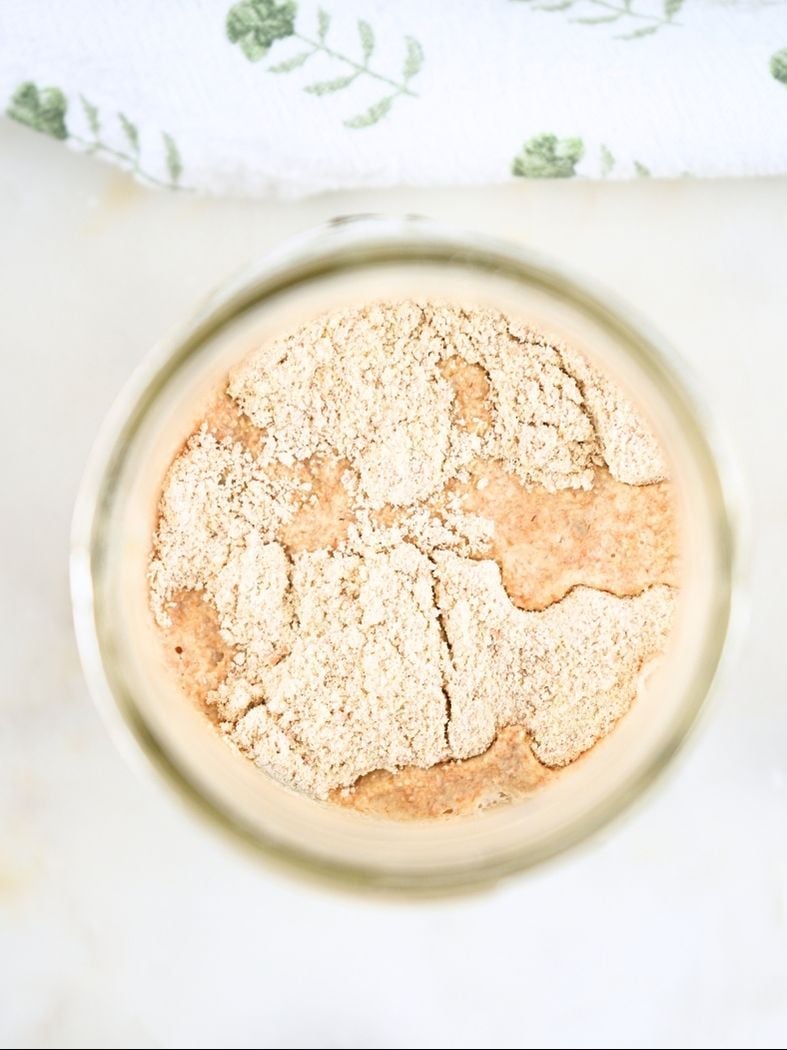
Day 1: Add the 50 grams of einkorn flour (approximately 1/2 cup) to a mason jar, then pour in 50 grams of water (approximately 1/4 cup). Stir well until thoroughly combined and no dry flour remains.
Cover the jar with a cloth secured by a rubber band, or use a loose-fitting lid.
Let it sit at room temperature for 24 hours.
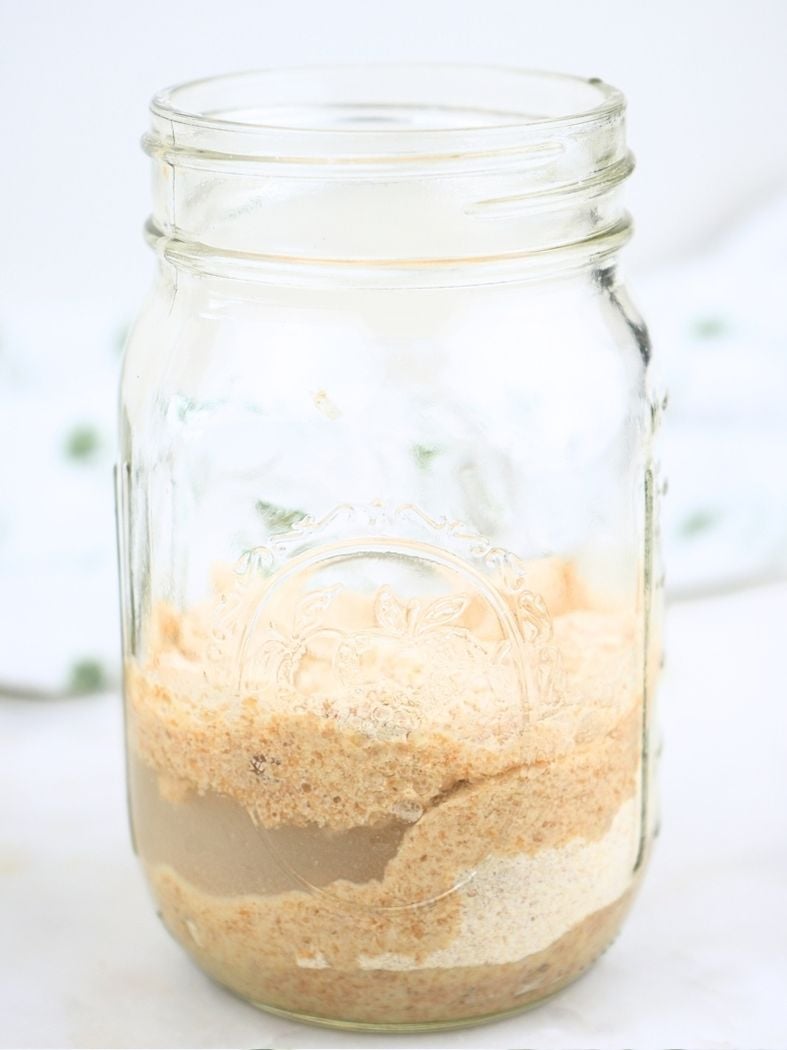
Days 2-5: Transfer 50 grams of the sourdough starter into a clean jar.
Throw the remaining starter away (the starter you throw away is called "discard").
Add 50 grams of einkorn flour and 50 grams of water to the 50 grams of reserved starter. Mix thoroughly.
Cover and allow to sit at room temperature for 24 hours.
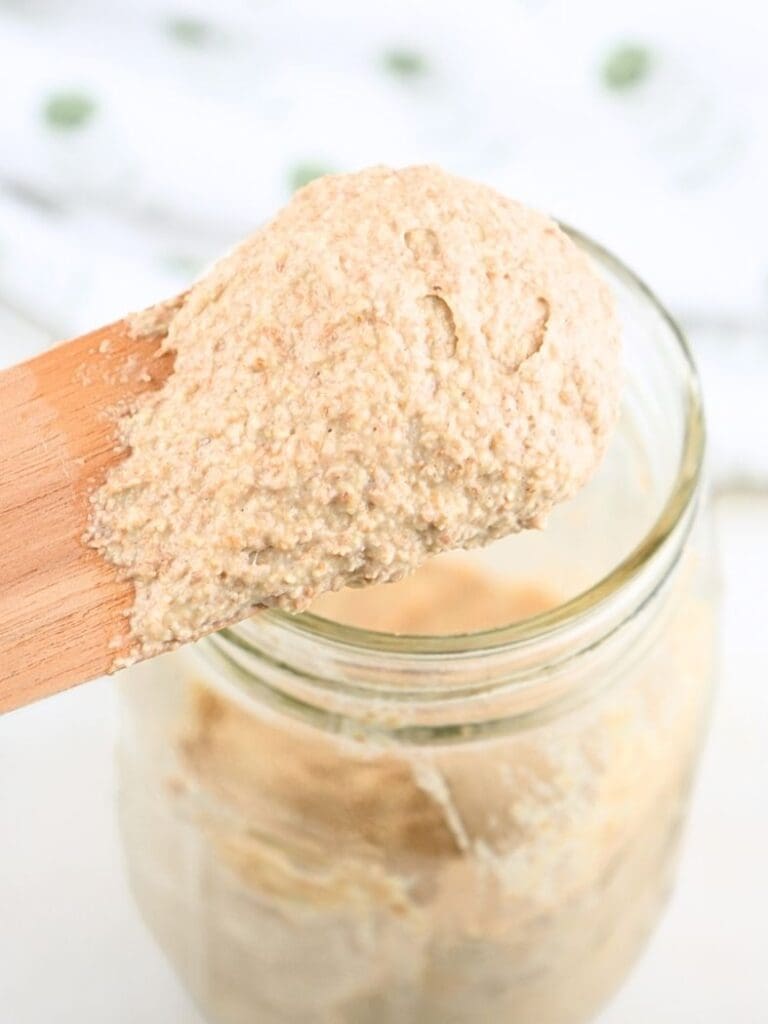
Days 6-End: At this point, your starter may or may not be doubling with each feeding. Either way, begin feeding it every 12 hours. Follow the same steps and measurements as before for each feeding.
Once your starter doubles regularly and smells good (like sourdough), it's time to start baking, usually around Day 10-14.
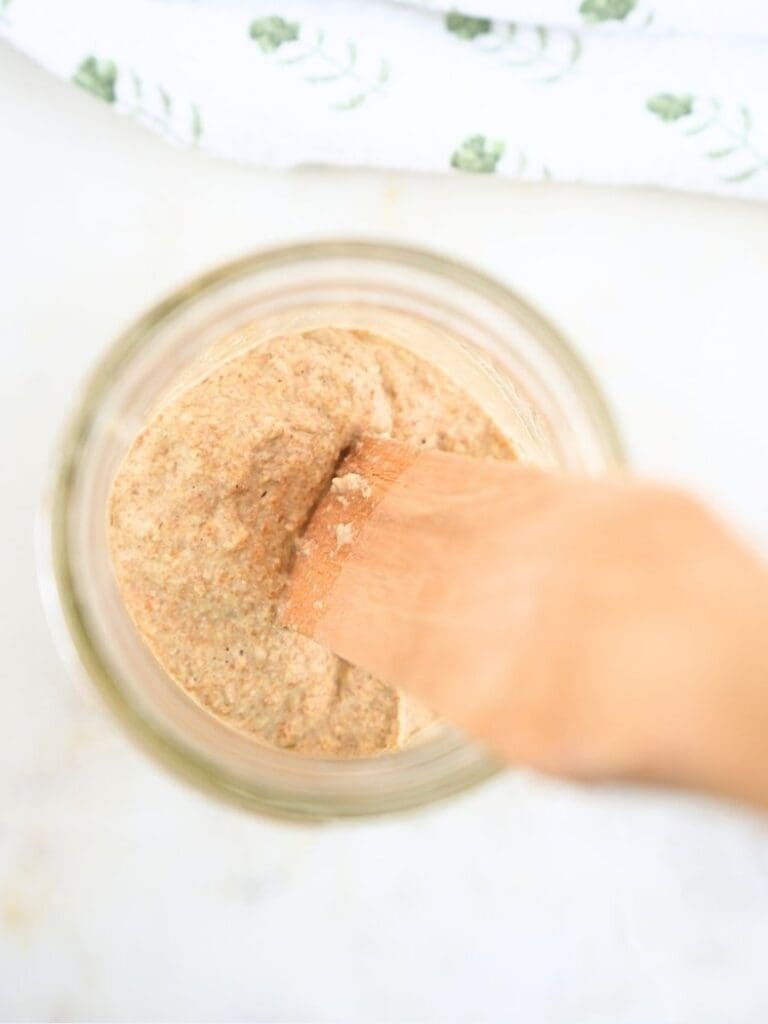
Baking and Maintenance: When you are ready to bake, use the amount of starter called for in the recipe.
Don't forget to leave some in the jar to save as your "master starter." What's left in the jar is what you will feed and maintain for future baking.
If you are not using your einkorn starter daily, I recommend storing it in the refrigerator. Feed once a week if it's in the fridge or every 12-24 hours if stored at room temperature.
Tips for Success
- The warmer the spot, the more active the yeast and bacteria will be. Try to keep your starter in a place that is 70°-80° F. If you don't have a warm spot, a proofing box can help.
- It is normal for a new starter to double around Day 2 or 3 and then slow down. That initial doubling is just the yeast and bacteria’s knee-jerk reaction. Even if your starter doubles at this point, keep following the remainder of the feeding instructions.
- You can use your discard for discard recipes like sourdough pie crust, sourdough discard banana bread, sourdough discard coffee cake, or sourdough cheese sauce once your starter is fully established. Until then, keep throwing it in the trash.
- Around Day 2 or so, it's normal for your starter to stink. That's just the yeast and bacteria stabilizing themselves. Just hold your nose and keep feeding it. In a few days, it will start to smell like sourdough.
- Do not put discard down the drain. It can harden and eventually clog the pipes.
- I recommend using a kitchen scale. Measuring by weight (not volume) offers accuracy and consistency with each feeding.
- The lid should not be tight. The bacteria and yeast's off-gassing creates pressure that can shatter the glass if there isn't enough breathing room. Use 100% cotton secured with a rubber band or a loose-fitting lid.
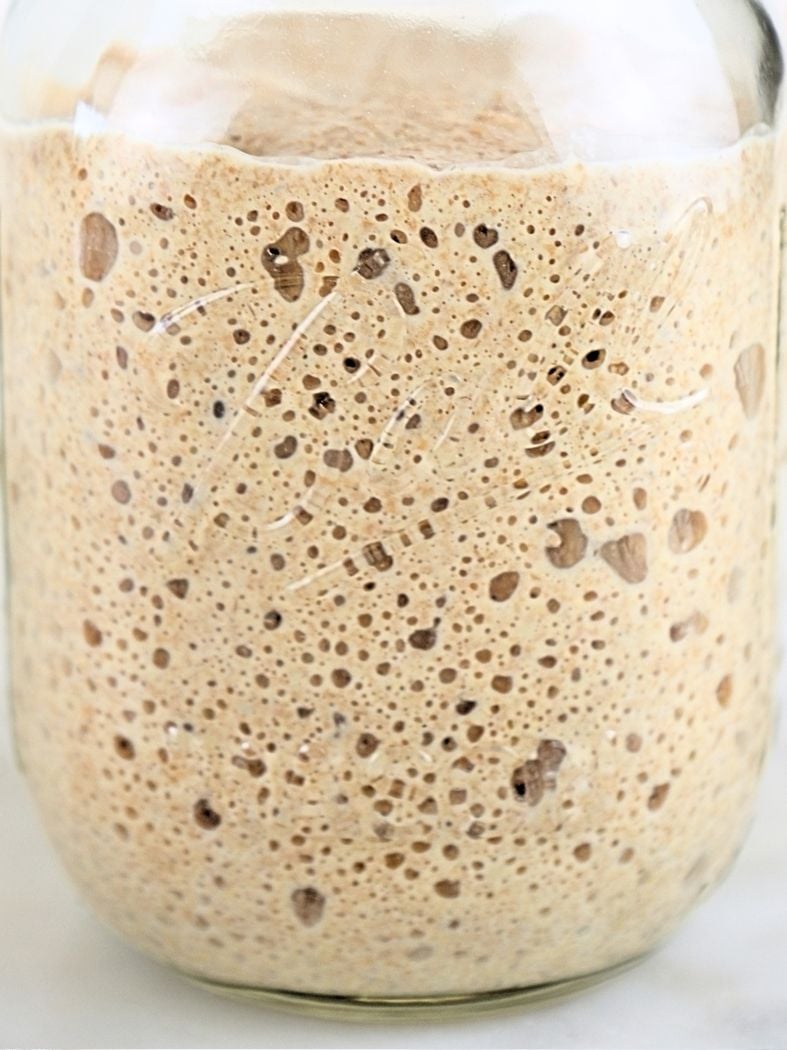
When Is Your Starter Ready?
How long it takes for your starter to be ready for baking depends on various factors, but most new sourdough starters are ready around Day 10 or so.
Keep an eye on your starter and look for these signs to know when it's ready to use:
Doubling: Your starter is ready when it doubles in size after each feeding, usually within 4-12 hours.
Bubbly: It should be bubbly and airy throughout, not just on the surface or bottom.
Smell: Your starter should smell pleasant, like sourdough or even akin to beer.
How To Maintain Your Starter
Fridge Method: The easiest way to maintain your sourdough starter is to keep it in the fridge and feed it weekly. This method is best if you bake once a week or less.
Countertop Method: You can keep your starter on the counter, but you will have to feed it every 12-24 hours. This method is ideal if you bake daily or multiple times throughout the week.
Adjust as Needed: If you need more starter, give it a bigger feeding. If you need less starter, reduce your feeding ratio.
Ferment Time: Because einkorn has more nutrients (especially if you are using fresh-milled), it often ferments faster than store-bought. If it develops a gray liquid on top (called hooch), that's a sign your starter is hungry.
FAQs
Yes, you can, and it’s really easy! Just feed your existing starter with einkorn flour instead of your usual flour for several feedings until it fully transitions.
Check out my post on the best flour types for sourdough starter to learn how to switch or change the flour you feed yours.
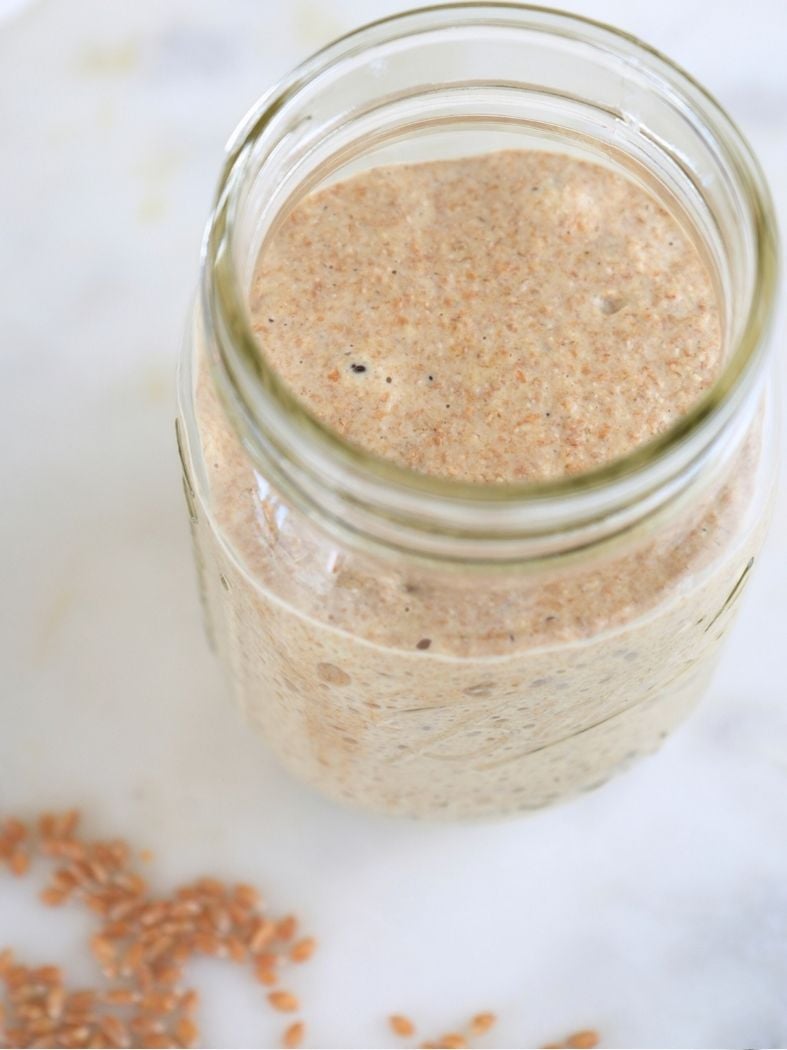
Einkorn starters may be slightly thinner than an all-purpose or whole wheat starter because einkorn has a weaker gluten structure. Luckily, this consistency won’t affect the quality of your starter or baked goods.
Definitely! An einkorn starter can be used in any sourdough recipe.
Einkorn absorbs water differently and naturally creates a looser, more batter-like consistency. This is completely normal and doesn't mean your starter is inactive.
Try to keep your starter in a spot that is around 70°-90° F. Once it is mature, you can store it in the fridge and feed it weekly.
Let's Connect!
If you tried this recipe and loved it, leave a comment or review below.
Also, don't forget to pin this post and follow Moon + Magnolia on Pinterest. You can save all my recipes on your boards and keep up with the latest happenings!
Share your creations on Instagram and tag @moon_and_magnolia

Einkorn Sourdough Starter
Equipment
- Pint Jar
- Loose-fitting lid
- Spurtle optional
Ingredients
- 50 g einkorn flour
- 50 g water
Instructions
Day 1
- Add the 50 grams of einkorn flour (approximately 1/2 cup) to a mason jar, then pour in 50 grams of water (approximately 1/4 cup). Stir well until thoroughly combined and no dry flour remains.50 g einkorn flour, 50 g water
- Cover the jar with a cloth secured by a rubber band, or use a loose-fitting lid. Let it sit at room temperature for 24 hours.
Days 2-5
- Transfer 50 grams of the sourdough starter into a clean jar. Throw the remaining starter away (the starter you throw away is called "discard").
- Add 50 grams of einkorn flour and 50 grams of water to the 50 grams of reserved starter. Mix thoroughly.
- Cover and allow to sit at room temperature for 24 hours.
Days 6-End
- At this point, your starter may or may not be doubling with each feeding. Either way, begin feeding it every 12 hours. Follow the same steps and measurements as before for each feeding.Once your starter doubles regularly and smells good (like sourdough), it's time to start baking, usually around Day 10-14.
Baking and Maintenance
- When you are ready to bake, use the amount of starter called for in the recipe. But don't forget to leave some in the jar to save as your "master starter." What's left in the jar is what you will feed and maintain for future baking.
- If you are not using your fresh-milled starter daily, I recommend storing it in the refrigerator. Feed once a week if it's in the fridge or every 12-24 hours if stored at room temperature.
Notes
- All-purpose or whole wheat einkorn flour will work for this recipe.
- The warmer the spot, the more active the yeast and bacteria will be. Try to keep your starter in a place that is 70°-80° F. If you don't have a warm spot, a proofing box can help.
- It is normal for a new starter to double around Day 2 or 3 and then slow down. That initial doubling is just the yeast and bacteria’s knee-jerk reaction. Even if your starter doubles at this point, keep following the remainder of the feeding instructions.
- You can use your discard for discard recipes like sourdough pie crust, sourdough discard banana bread, sourdough discard coffee cake, or sourdough cheese sauce once your starter is fully established. Until then, keep throwing it in the trash.
- Around Day 2 or so, it's normal for your starter to stink. That's just the yeast and bacteria stabilizing themselves. Just hold your nose and keep feeding it. In a few days, it will start to smell like sourdough.
- Do not put discard down the drain. It can harden and eventually clog the pipes.
- I recommend using a kitchen scale. Measuring by weight (not volume) offers accuracy and consistency with each feeding.
- The lid should not be tight. The bacteria and yeast's off-gassing creates pressure that can shatter the glass if there isn't enough breathing room. Use 100% cotton secured with a rubber band or a loose-fitting lid.
Nutrition
Nutrition information is auto-calculated and may not reflect your final product. Please verify independently if needed.


Can I make this starter using 10 10 10gm instead of 50 50 50 to cut back on waste?
Thanks
Yes! It’s not so much about the amount as much as it is the ratio. That will definitely work. 😊
-Rebecca
Thanks!
So easy to make! I made mine with fresh-milled einkorn.
Super helpful my starter is two weeks old, but I wasn’t sure if I should keep it on the counter or in the fridge now I know my options. Thank you.💖
I’m so glad it was helpful!
-Rebecca