This post may contain affiliate links. Please read our disclosure policy.
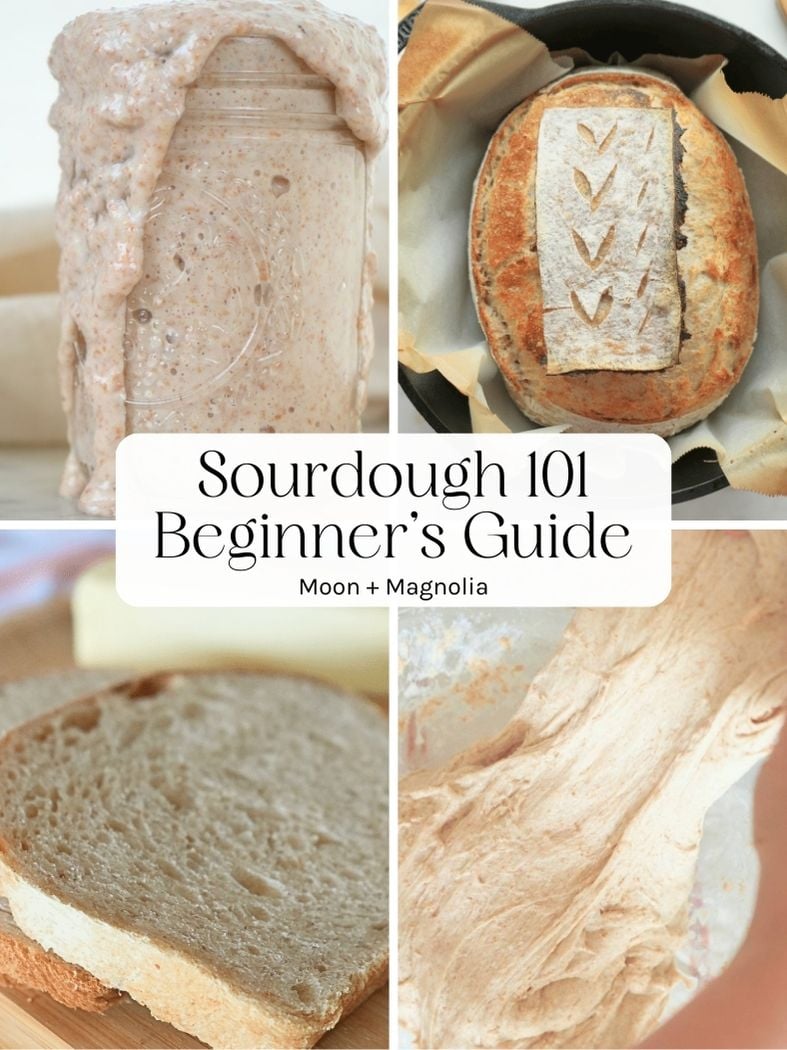
This sourdough 101 guide covers the basics, from making a sourdough starter and baking your first loaf to refining techniques and choosing must-have tools.
A Quick Look At These Posts
- Level: Beginner
- Topics: How to make a starter, starter maintenance, beginner sourdough recipes, sourdough technique tutorials, must-have sourdough tools
- Best For: Beginner sourdough bakers who want a simple, step-by-step introduction without overwhelm.
- Why You’ll Love It: Everything you need to learn sourdough is organized in one simple, easy-to-follow guide.
SUMMARIZE & SAVE THIS POST ON
When I first tried my hand at making sourdough, the entire process seemed so mysterious and confusing.
But learning how to make your own sourdough bread from scratch doesn’t have to be complicated or overwhelming.
This sourdough guide includes my beginner tips, techniques, and recipes in one place.
From making and maintaining a starter to beginner-friendly recipes and step-by-step tutorials, you can come back to this roundup anytime as you venture into your sourdough journey.
PS. For more tutorials, be sure to check out my YouTube channel. I have a full library of sourdough recipes and tutorials.
What Is Sourdough?
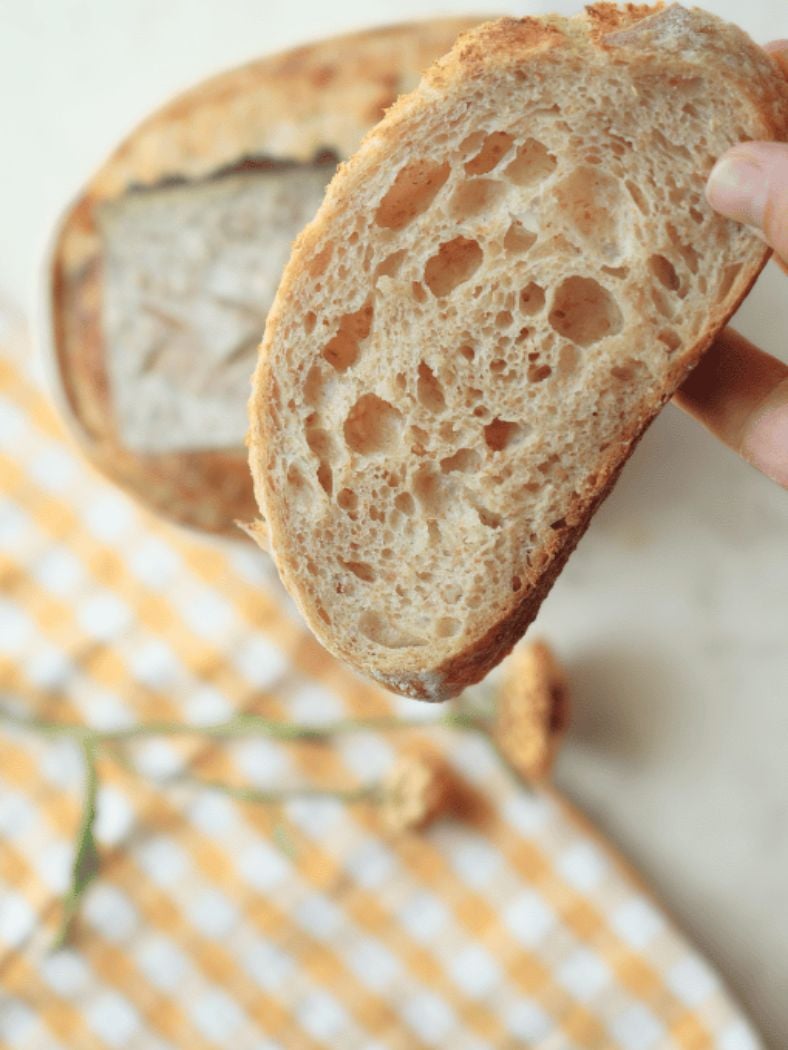
Sourdough is a type of bread that relies on a fermented combination of flour and water (called a starter) to leaven bread rather than commercial yeast.
As the starter ferments, wild yeast and bacteria create a culture that naturally leavens dough. It’s then added to the dough so it can rise.
One of the hallmarks of sourdough is its slow fermentation process. Unlike bread made with commercial yeast, which rises quickly, sourdough ferments over many hours, developing its characteristic, tangy flavor.
Sourdough isn't difficult to make, but it does involve a few easy-to-learn skills that are different from baking with commercial yeast.
This guide walks you through those skills step by step so you can bake with confidence.
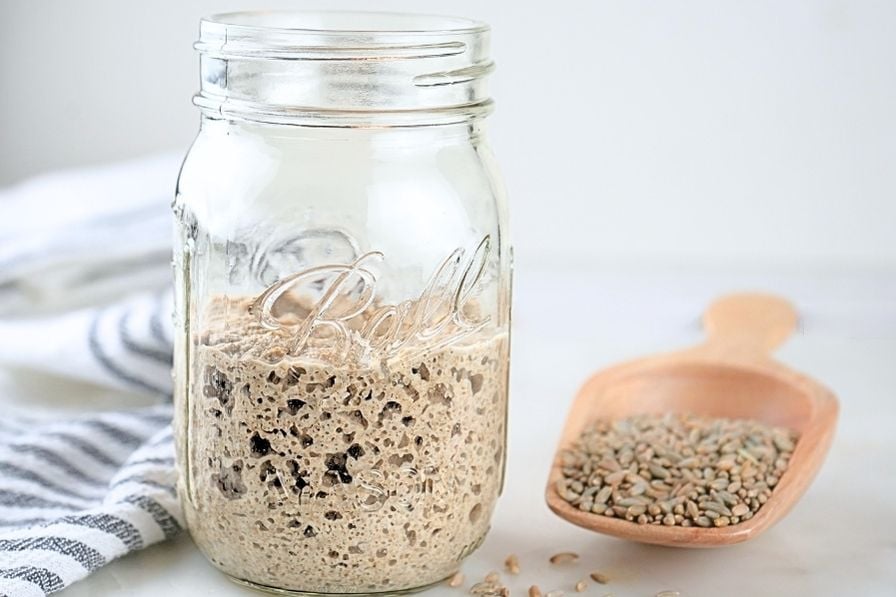
Sourdough Starter Basics



Beginner Sourdough Bread Recipes


Sourdough Tutorials




Sourdough Tools
Sourdough doesn’t require many tools. But depending on the recipe, you may need a few specific items. These are some of my most-used sourdough tools:
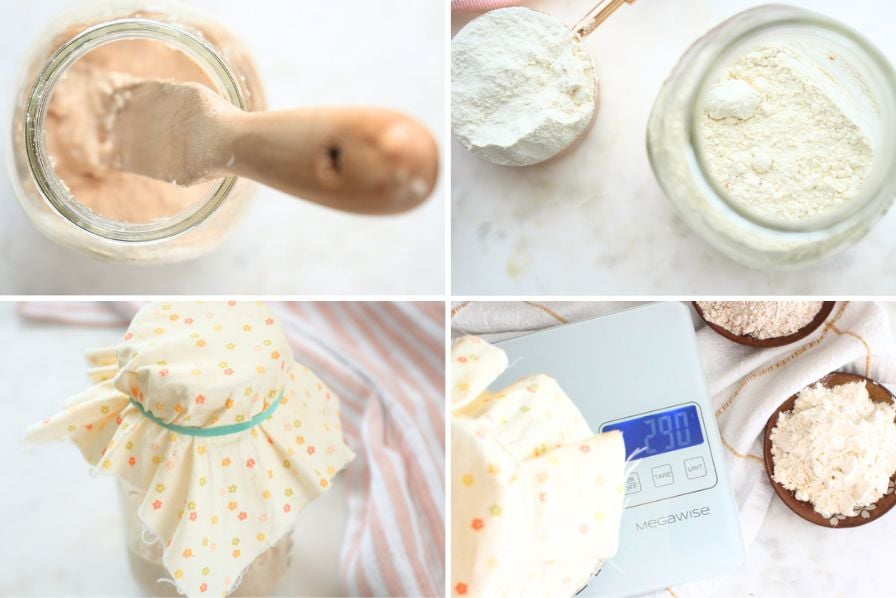
Kitchen Scale: Weighing in grams will yield more accurate and repeatable results. I use a Megawise waterproof scale.
Spurtle: It can be a little tricky to stir starter in a jar, but using a spurtle makes it easier.
Dutch Oven: A Dutch oven is used to bake no-knead boules. It traps steam to create a better oven spring and crust. I love my Lodge dual cooker for baking.
Stand Mixer: Enriched doughs require an intense mix, which can be difficult to do by hand, so I use a KitchenAid bowl-lift mixer.
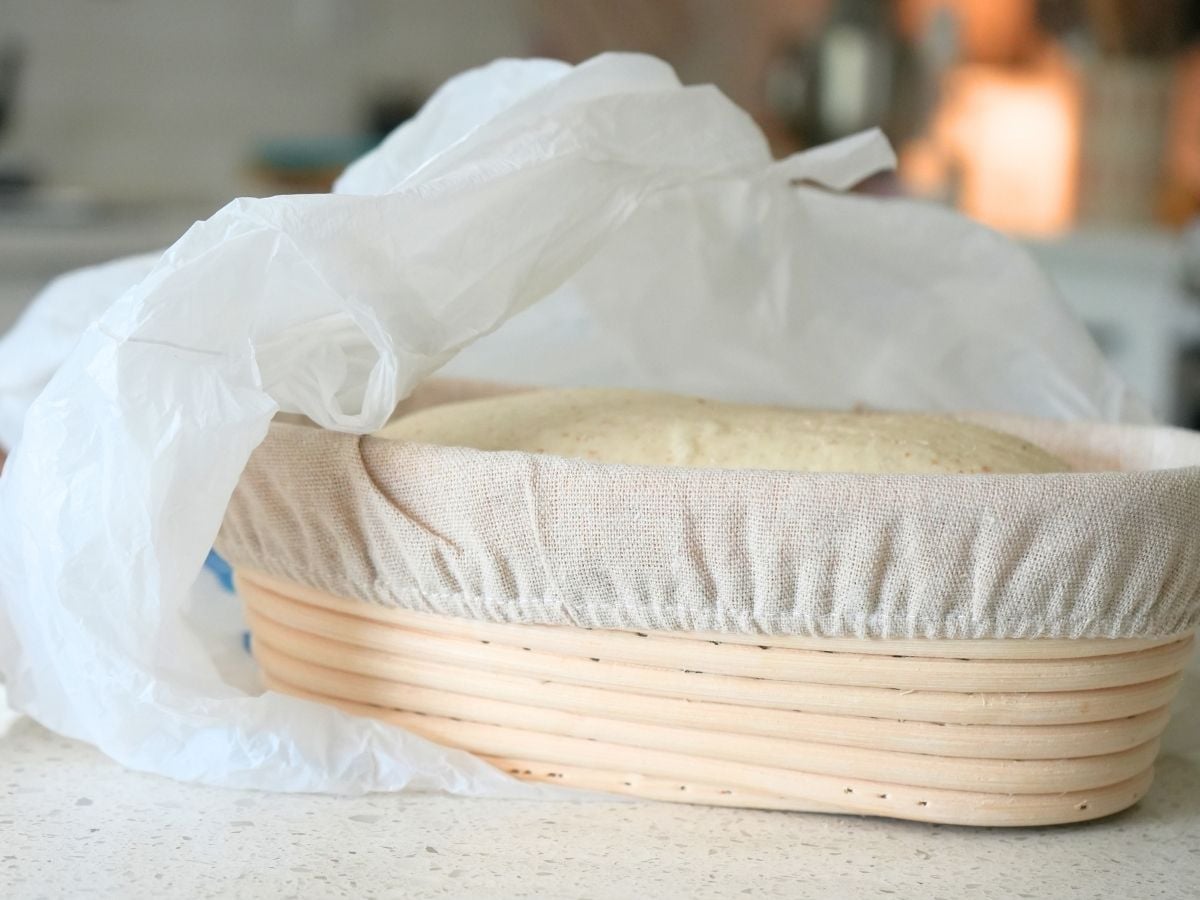
Proofing Baskets: Round baskets are called bannetons, and oval baskets are batards. Both are used to hold the dough’s shape during the cold ferment. I use this 9″ banneton basket set and these 10″ batard proofing baskets.
Lame: A bread lame makes scoring dough easier. Remember, it's easiest to score dough when it is cold.
Loaf Pan: For sandwich breads, you will need a loaf pan. I love using a stone loaf pan (the exact one I use is no longer available, but the linked one is comparable).
Rolling Pin: For any recipe that requires rolling the dough, I use a French rolling pin. The tapered ends make it easier to control.
FAQs
Most people feel comfortable with the basics after a few rounds of sourdough starter feedings and baking a few times.
Remember, sourdough is more about practice than perfection. You’ll build confidence as you learn how your starter and dough behave.
For a no-knead boule, a Dutch oven is helpful because it traps steam and improves oven spring, but it isn't required.
You can mimic the Dutch oven’s effects by placing a baking dish filled with water on the bottom of the oven to create steam.
For sandwich breads and other enriched doughs, you usually don’t need a Dutch oven.
Yes, fresh-milled flour works well for sourdough, though it behaves differently from store-bought flour. To learn more, check out my grain milling beginner’s guide.
You can begin using your starter once it doubles in size with each feeding. For most folks, this is usually somewhere in the 7-10 day range.
Sourdough bread often doesn't rise if the starter isn't active enough or the dough didn't ferment properly. Temperature and timing are common factors, especially for beginners.
Let's Connect!
If you tried these recipes and tutorials and loved them, leave a comment or review below.
Also, don't forget to pin this post and follow Moon + Magnolia on Pinterest. You can save all my recipes on your boards and keep up with the latest happenings!
Share your creations on Instagram and tag @moon_and_magnolia