
This post may contain affiliate links. Please read our disclosure policy.
Many new sourdough bakers wonder how long sourdough dough can stay in the fridge. Whether you are making a beginner’s no-knead sourdough, sourdough sandwich bread, or your other favorite recipe, it can chill (literally) for a few days before baking.
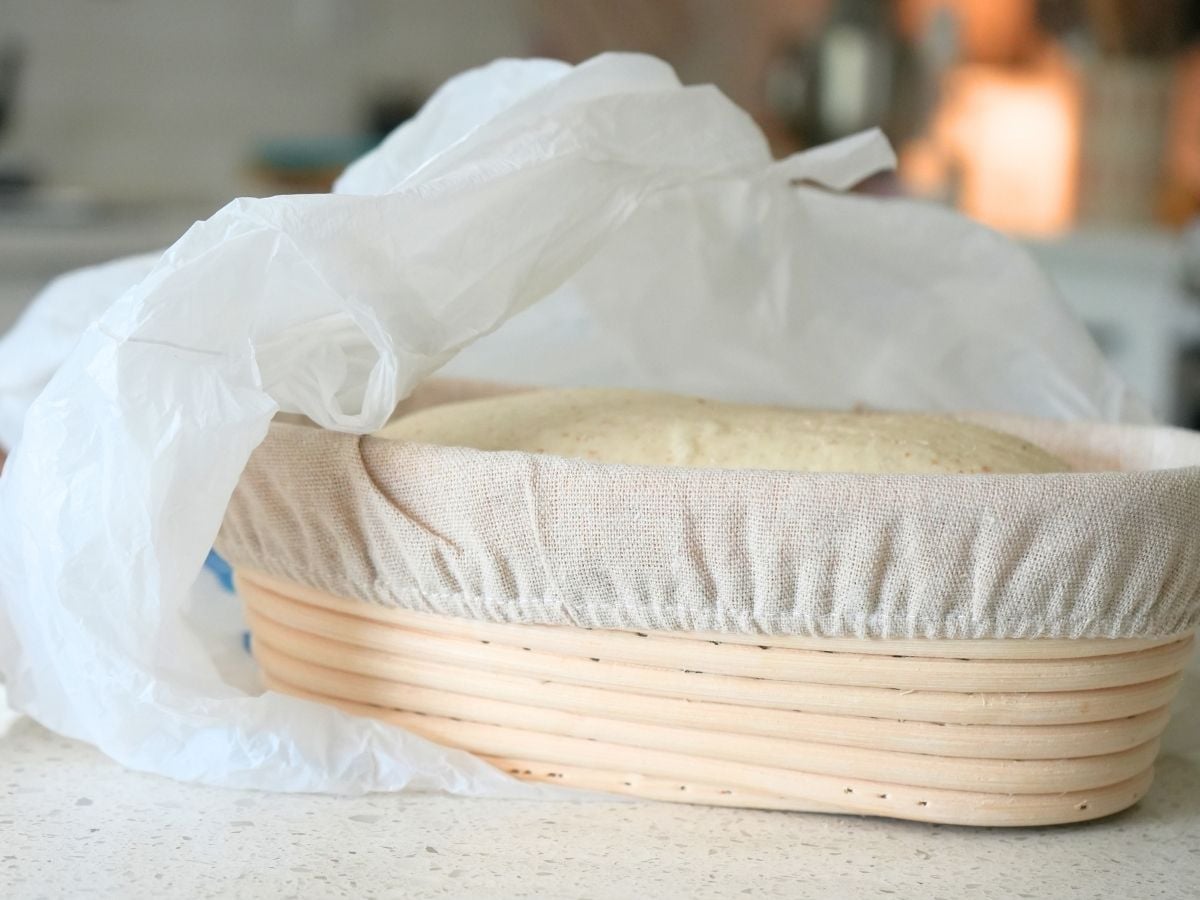
Overview: How Long Can Sourdough Dough Stay in the Fridge
- How Long: Up to 3 days in the fridge.
- Best Results: 24 to 48 hours
- Serves: 1 loaf (easy to scale for more)
- Main Ingredients: Sourdough bread dough (refer to the recipe you are using for the full ingredient list)
- Why You’ll Love It: Refrigerating sourdough dough lets you bake on your schedule, without rushing the process. Plus, the longer cold fermentation develops deeper flavor and can improve crust and texture for no-knead breads. You can use any sourdough recipe!
SUMMARIZE & SAVE THIS RECIPE ON
While most sourdough recipes take about a day from start to finish, you can easily adjust the timeline to fit your schedule with a few tweaks, like refrigerating the dough.
If you are new to the process, check out my beginner’s sourdough starter tutorial and my no-knead sourdough bread recipe to learn more about the basics of sourdough.
Once you have the dough made, it can stay in the fridge for about 3 days. And it’s this flexibility that, for me, makes sourdough bread easy to make.
Jump to:
- Overview: How Long Can Sourdough Dough Stay in the Fridge
- Benefits of Keeping Sourdough Dough in the Fridge
- Key Ingredients
- What Types of Dough Can Stay in the Fridge?
- How To Store Sourdough Dough in the Fridge
- Get the FREE sourdough starter eBook!
- Tips for Success
- How Long Can Sourdough Dough Stay in the Fridge FAQs
- More Sourdough Tutorials
- How To Store Sourdough Dough in the Fridge
Benefits of Keeping Sourdough Dough in the Fridge
Flexibility: Because cold proofing slows down the metabolic process, keeping your dough in the fridge is the best way to delay baking. Make the dough now, and enjoy fresh bread later!
Flavor: The longer the dough cold proofs, the more sour it tastes. So for a more complex flavor, keep it in the fridge for a little bit longer. (Pro tip: If you want less-sour sourdough bread, reduce the cold proof time.)
Prevents Overfermenting: Keeping the dough cold helps prevent overfermentation. However, it will eventually overferment, so try to bake it within a few days.
Better Oven Spring: The steam from baking cold dough creates a coveted oven spring or rise.
Easier Scoring: Cold dough is easier to score, which allows you to control the bread’s expansion and create beautiful, aesthetic bread.
Key Ingredients
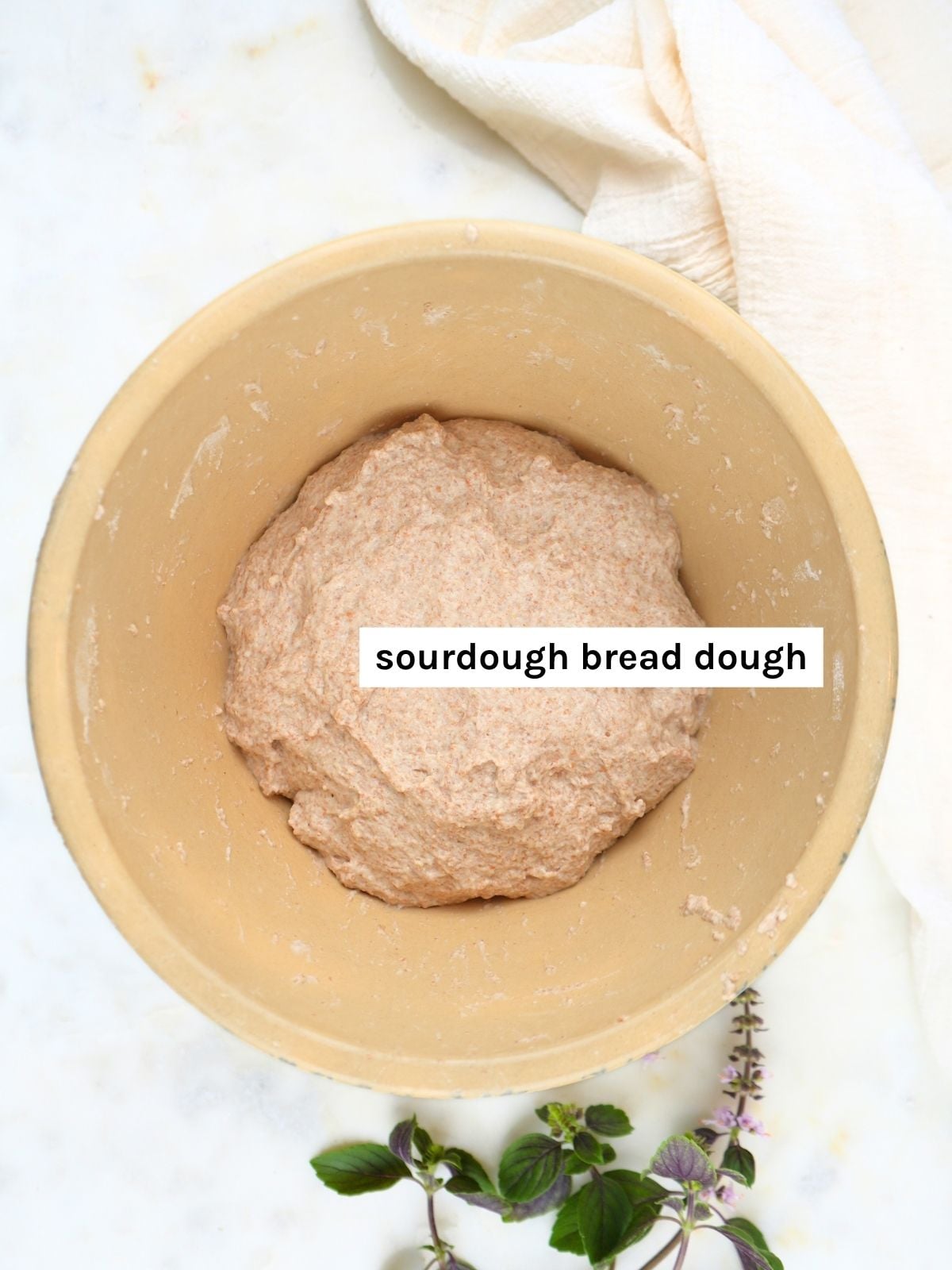
Sourdough Bread Dough: You can use any sourdough bread recipe.
For ingredients and measurements, refer to the recipe you are using.
What Types of Dough Can Stay in the Fridge?
Bread Dough: Any sourdough bread dough can be cold-proofed in the fridge, including sourdough brioche rolls, sourdough discard tortillas, and sourdough cranberry walnut bread.
Fresh Milled: Even fresh-milled sourdough, such as half fresh-milled sourdough, sourdough einkorn bread, and fresh-milled sourdough pullman bread can have an extended cold proof. But I recommend erring on the side of shorter because it ferments quickly.
Pizza Dough: Sourdough pizza dough is one of my favorite doughs to prep in advance. I put it in the fridge for a few days before shaping and baking.
Discard Recipes: Most sourdough discard recipes, such as sourdough banana bread and sourdough zucchini bread, don’t require cold proofing, but you can stick them in the fridge for added flavor or to encourage more grain pre-digestion.
Cookie Dough: Cold cookie dough often bakes better and holds its shape. I like to cold-proof cookie dough, such as sourdough peanut butter blossoms, sourdough London Fog cookies, and sourdough molasses cookies.
How To Store Sourdough Dough in the Fridge

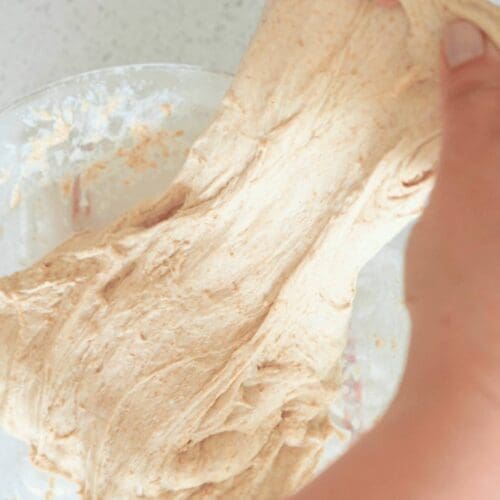
Step 1: Make the dough and follow the recipe instructions through the bulk fermentation.
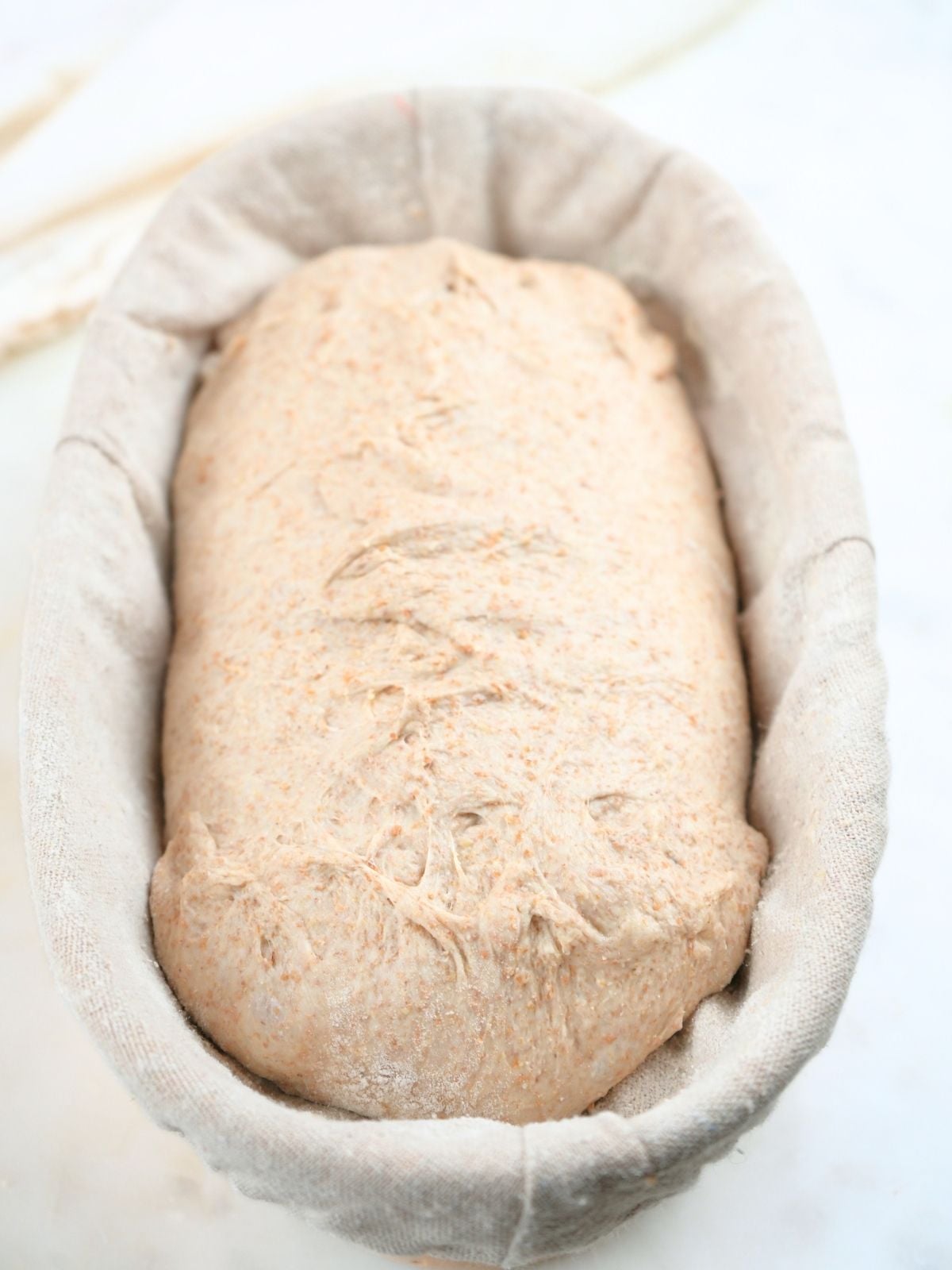
Step 2: After the bulk ferment, prepare the dough for cold proofing:
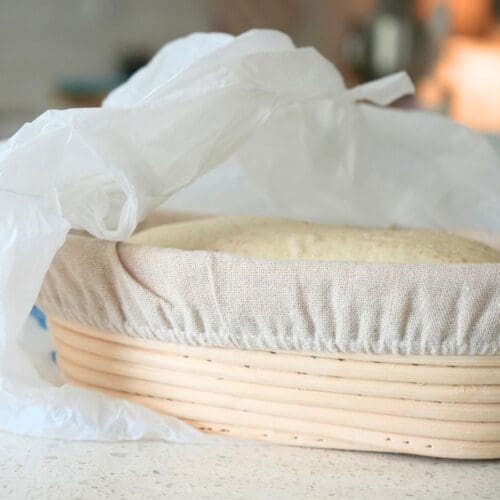
• No Knead Bread: Shape and place in a banneton.
• Sandwich Bread and Rolls: Shape and place in a prepared baking dish.
• Buns: To save space in the fridge, skip shaping and proceed with Step 3.
• Rolled Dough: Cold dough is easier to roll, so skip shaping and proceed with Step 3.
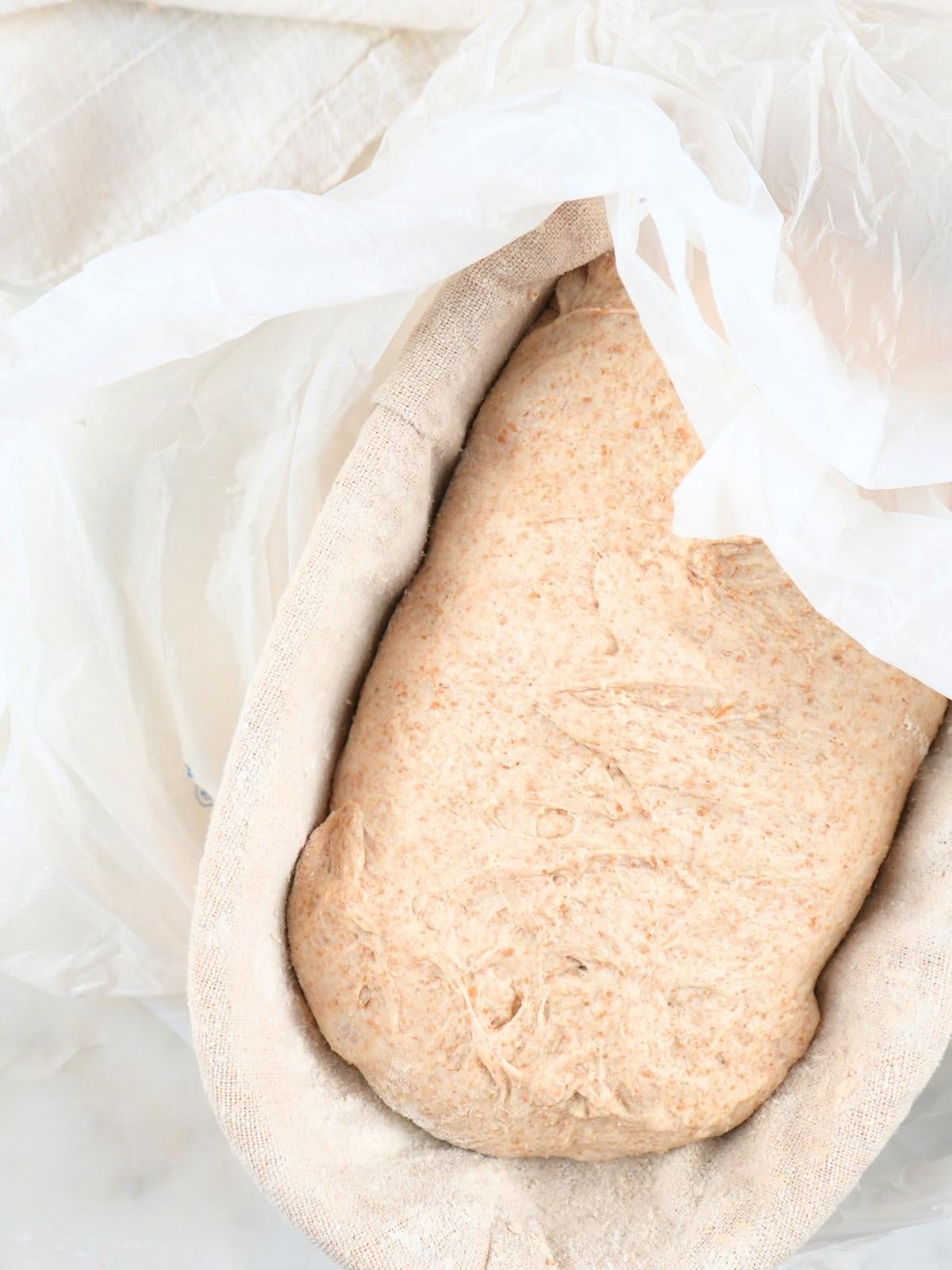
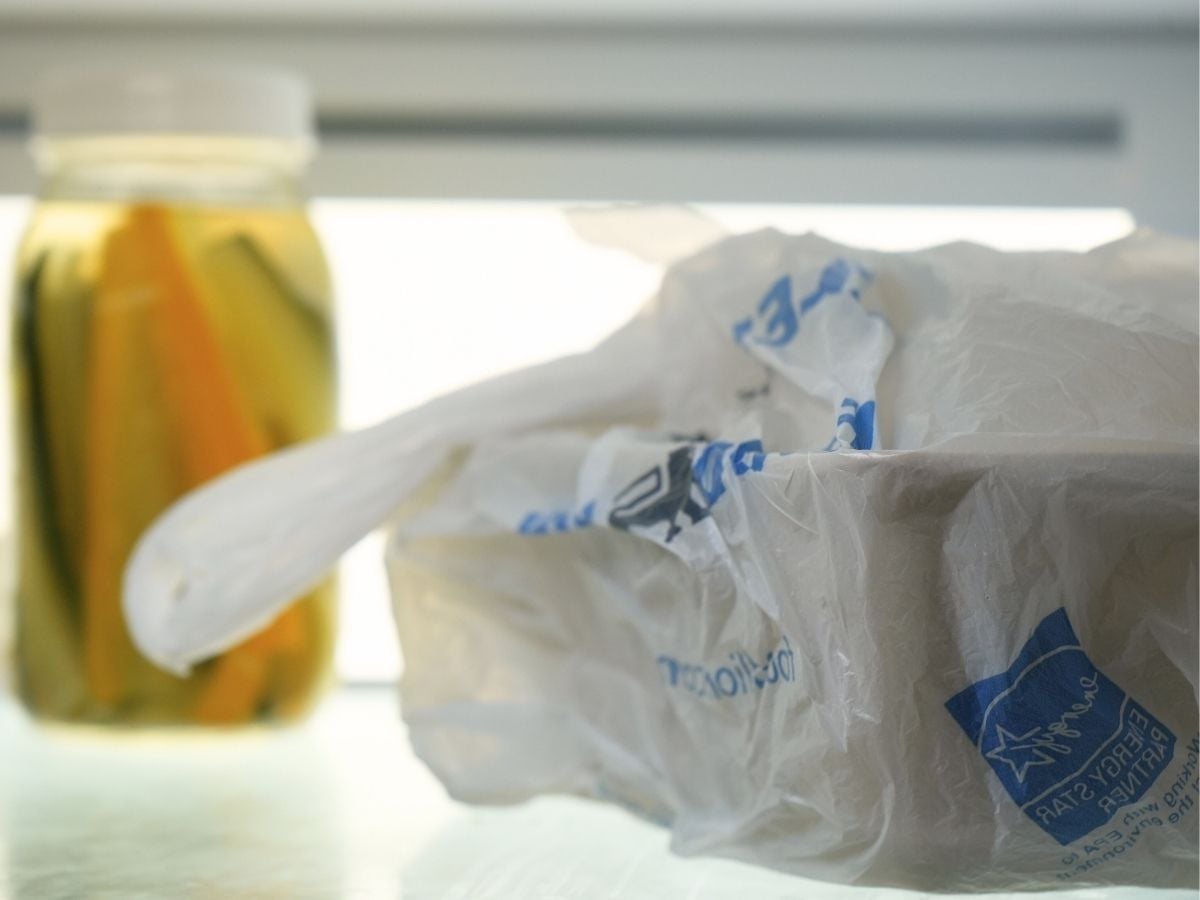
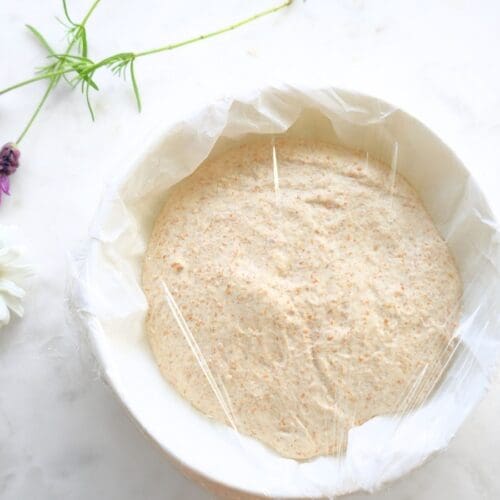
Step 3: Cover the bowl, baking dish, or container with plastic wrap or an airtight lid (I usually use a plastic bag).
Refrigerate the dough for 24-72 hours (up to 3 days) before baking.

Step 4: Resume the recipe instructions when you are ready to bake.
Keep in mind that cold dough will take longer to proof and/or bake, so allot extra time to finish the recipe.
Tips for Success
- For the best balance of flavor and oven spring, aim for 24 to 48 hours.
- Up to 3 days is usually fine, but quality may begin to decline after that.
- Enriched doughs like sourdough burger buns, my sourdough donut recipe, or other doughs with ingredients like eggs, butter, and sugar, don’t ferment as quickly and can last longer in the fridge.
- Make sure the dough is tightly covered so the air doesn’t dry it out. You can also lightly oil the top of the dough to prevent it from drying out.
- If your sourdough bread is too sour, reduce the amount of time you keep the dough in the fridge.
How Long Can Sourdough Dough Stay in the Fridge FAQs
Yes, before refrigerating your dough, cover it with plastic wrap to prevent drying. I usually use a plastic shopping bag. Plastic wrap will also work, but I often feel like it compresses my dough.
If you open the fridge to find a bowl or banneton basket full of sloppy, soupy dough, your dough has over-fermented.
Though the yeast and bacteria’s metabolic processes slow down in the fridge, they don’t stop. So, after about 3 days, your dough may be overproofed.
Probably not. However, there is a period when the dough is still cooling down. During that time, your dough may continue to rise. Every once in a while, I’ve had dough that keeps rising. So make sure you use a container with a little extra room, and keep an eye on it.
Yes! Freezing sourdough bread dough is a great way to keep dough on hand and bake it as needed.
More Sourdough Tutorials


If you tried storing sourdough dough in the fridge or any other recipe on my blog, please leave a 🌟 star rating and let me know how it went in the 📝 comments below. Thanks, y’all!

How To Store Sourdough Dough in the Fridge
Equipment
- Bowl, banneton, or baking dish depending on the recipe
- Lid or plastic wrap
Ingredients
- Bulk-fermented sourdough dough
Instructions
- Make the dough and follow the recipe instructions through the bulk fermentation.Bulk-fermented sourdough dough
- After the bulk ferment, prepare the dough for cold proofing:• No Knead Bread: Shape and place in a prepared banneton.• Sandwich Bread and Rolls: Shape and place in a prepared baking dish.• Buns: To save space in the fridge, skip shaping and proceed with Step 3.• Rolled Dough: Skip shaping and proceed with Step 3.
- Cover the bowl, baking dish, or container with plastic wrap or an airtight lid (I usually use a plastic bag).
- Refrigerate for 24-72 hours (up to 3 days) before baking.
- Resume the recipe instructions when you are ready to bake.Keep in mind that cold dough will take longer to proof and/or bake, so allot extra time to finish the recipe.
Notes
- For accurate nutrition, refer to the recipe used.
- For the best balance of flavor and oven spring, aim for 24 to 48 hours.
- Up to 3 days is usually fine, but quality may begin to decline after that.
- Enriched doughs like sourdough burger buns, my sourdough donut recipe, or other doughs with ingredients like eggs, butter, and sugar, don't ferment as quickly and can last longer in the fridge.
- Make sure the dough is tightly covered so the air doesn't dry it out. You can also lightly oil the top of the dough to prevent it from drying out.
- If your sourdough bread is too sour, reduce the amount of time you keep the dough in the fridge.
Nutrition
Nutrition information is auto-calculated and may not reflect your final product. Please verify independently if needed.




Stashing sourdough dough in the fridge makes regular baking SO easy. It’s the best way to slow down the process and give yourself more time to bake.