
This post may contain affiliate links. Please read our disclosure policy.
Seasoned vs. unseasoned cast iron is a tricky concept for beginners. Whether you are searing a steak or making a sourdough discard skillet cookie in a cast iron skillet, knowing the difference can help you cook confidently!
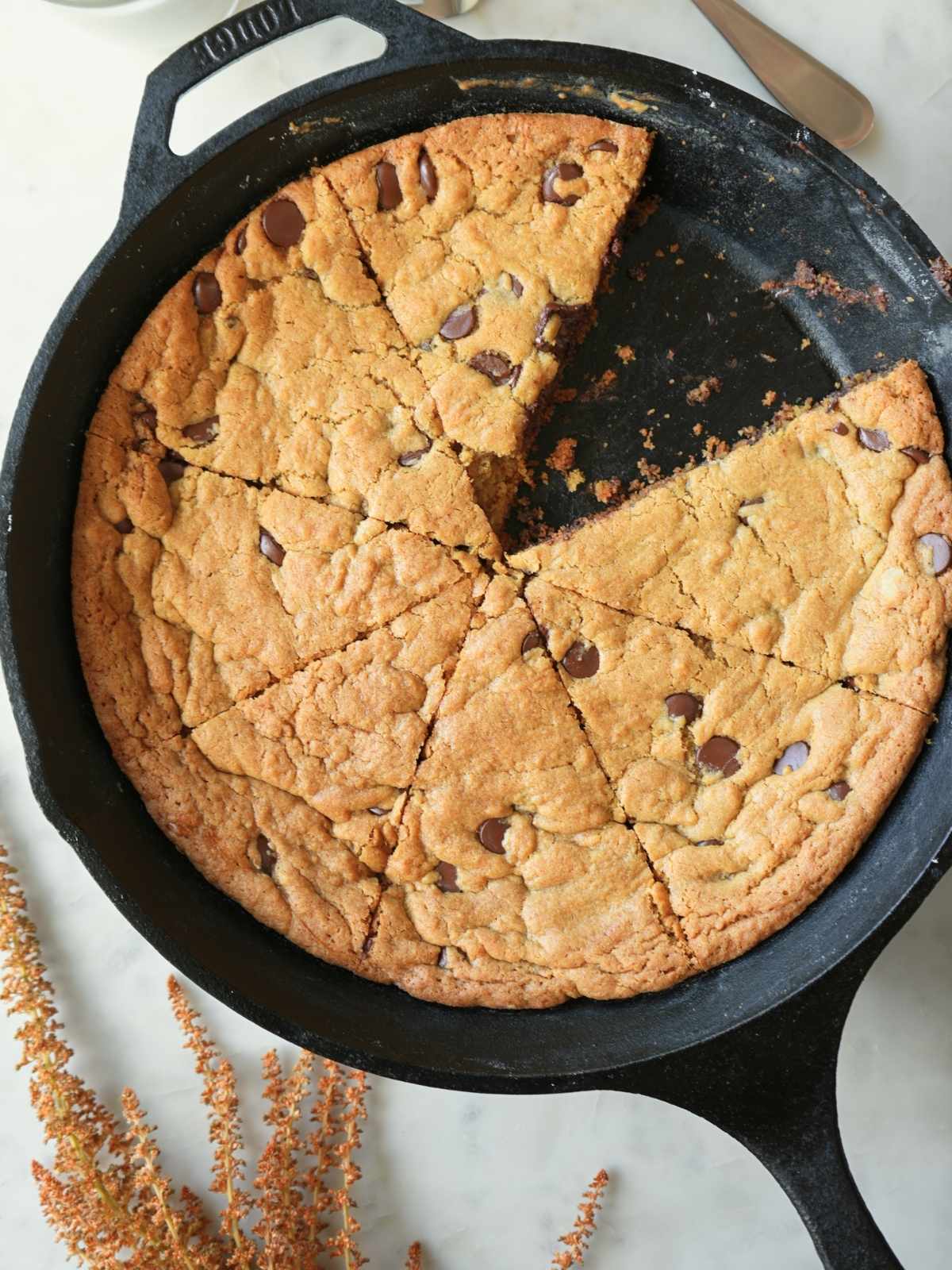
Overview: Unseasoned vs. Seasoned Cast Iron
- Best For: All cast iron cooks
- Type of Cookware: All non-enameled cast iron cookware
- Skill Level: Beginner-friendly
- Purpose: To create a natural, non-stick surface and prevent rust.
- Key Difference: Seasoned cast iron has a bonded, polymerized oil coating, while unseasoned cast iron has no protective layer.
- Why You’ll Love It: With this guide, you'll understand why your cast iron sticks or rusts and exactly how to fix it. With a few simple tips, you can cook with confidence and keep your skillet in great shape for years (or a lifetime)!
SUMMARIZE & SAVE THIS ON
One of the questions I hear the most from beginner cast-iron cooks is, “What is the difference between seasoned and unseasoned cast iron?”
Knowing the differences between the two is key. It’s the deal-breaker between your sourdough discard tortillas and your sourdough skillet cookie sticking or turning out perfectly.
So, if you have a cast iron skillet and you don’t know how to use it, if everything you make in it sticks (I’ve totally been there), or if your skillet keeps rusting, this is for you!
Ps. If you don’t have a cast iron skillet yet, check my cast iron skillet size guide to help determine the right one for you.
Jump to:
- Overview: Unseasoned vs. Seasoned Cast Iron
- What Is Cast Iron Seasoning?
- Seasoned vs. Unseasoned Cast Iron
- Cast Iron Seasoning & Flavor
- When Does Cast Iron Need to Be Re-Seasoned?
- Is a Brand New Cast Iron Skillet Already Seasoned?
- Join the Simple Living Community!
- How To Season a Cast Iron Skillet
- Video – Cast Iron Care Guide
- Tips for Cleaning Cast Iron
- What Oils Can I Use for Seasoning Cast Iron?
- Unseasoned vs. Seasoned Cast Iron FAQs
- More Cast Iron Guides
What Is Cast Iron Seasoning?
Before I learned how to cook with cast iron, I had a romanticized idea of what “seasoning” cast iron meant. I thought it was a way to cook and add dramatic layers of flavor to my food.
But “seasoning” has nothing to do with directly adding flavor to your food. Instead, seasoning is a layer of polymerized oil that creates a non-stick surface and prevents rust.
In short, seasoning develops when a thin layer of oil in the skillet is heated to high temperatures. When the oil reaches its smoke point, it binds to the iron, creating a natural, non-stick surface.
Seasoned vs. Unseasoned Cast Iron
When it comes to seasoned vs. unseasoned cast iron, we are actually talking about the skillets’ nonstick properties-not your favorite spices.
A seasoned cast iron skillet has a slick coating that creates a natural, non-stick surface. On the other hand, an unseasoned cast iron pan does not have a non-stick surface.
Sure, if you cook with enough oil in an unseasoned cast iron pan, you might luck out and not have any food stick. Look, I live in the American South, where we love butter, so no judgment if you add that much fat.
However, the root of the comparison is the polymerized coating. Not only does it provide a non-stick surface, but it also acts as a protective coating against rust.
It’s guaranteed that unseasoned cast iron will rust. Luckily, you can easily restore cast iron. But with a few simple cast iron care tips and tricks and proper seasoning, you won’t have to worry about rust or stuck food at all.
Cast Iron Seasoning & Flavor
Seasoned Cast Iron & Flavor
Seasoned cast iron does not add flavor to your food. The purpose of seasoning is to create a nonstick, protective surface that is less likely to absorb or transfer flavors.
That said, cast iron can improve how food tastes by delivering a better sear and consistent heat.
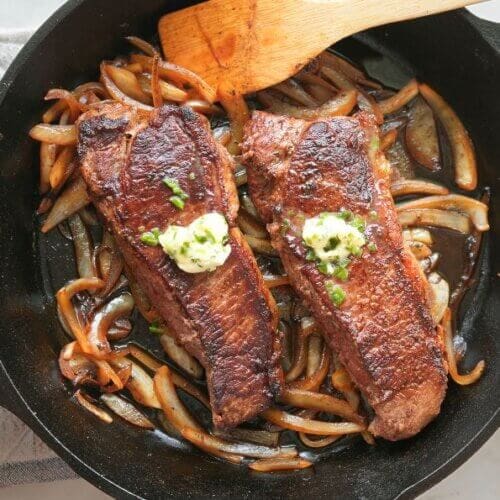
A well-seasoned skillet makes it easy to achieve a crusty steak, crispy potatoes, or perfectly toasted sourdough bread, but it does not add new flavors.
Unseasoned Cast Iron & Flavor
Contrary to popular belief, cast iron is a porous material. So, if your skillet is unseasoned, it can hold onto undesirable flavors. Plus, scraping off bits of stuck-on food can be challenging and transfer flavors.
This is particularly undesirable if you use cast iron for both cooking and baking. Imagine if caramelized onion flavors were transferred to your sourdough peach cobbler or sourdough cinnamon rolls. Your dessert would be totally ruined.
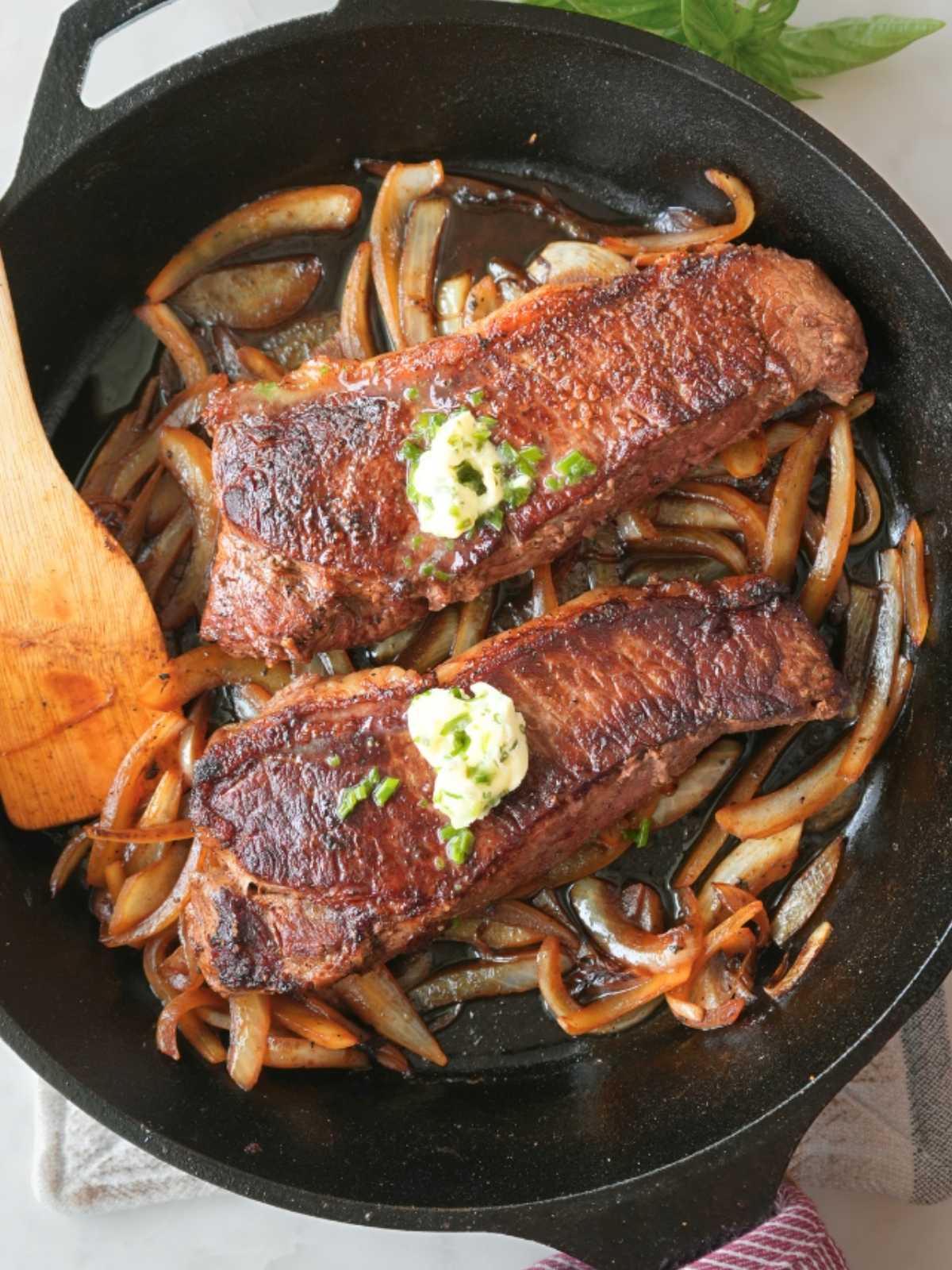
When Does Cast Iron Need to Be Re-Seasoned?
Rusty: If your skillet is rusty, it needs to be reseasoned. You can scrub off the rust with steel wool, clean it thoroughly, and follow the standard cast iron seasoning process.
Cooking Improper Foods: A well-seasoned cast iron pan can handle small amounts of acidic foods in quick recipes like creamy lemon chicken or gnocchi with sage cream sauce. However, frequent use of tomatoes or vinegar can strip the seasoning over time, so if you cook acidic foods often, plan to reseason your skillet afterward.
Normal Wear and Tear: Even with proper care and cooking techniques, your cast iron will need regular seasoning. I usually season mine about once a month or as needed.
Stuck Food: If you notice food sticking to your cast iron skillet, that’s a tell-tale sign you need to re-season it.
Dull or Matte: Well-seasoned cast iron has a semi-glossy appearance. So if your skillet looks dull or matte, it’s time to season it.
Is a Brand New Cast Iron Skillet Already Seasoned?
The seasoned vs. unseasoned cast iron skillet conversation is a little murky when it comes to brand-new cast iron cookware.
A new pre-seasoned cast iron skillet does have a seasoned coating. However, I’ve never found them to be truly non-stick. I recommend reseasoning your new pan before putting it to the test.
How To Season a Cast Iron Skillet
The Initial Seasoning
I recommend seasoning in the oven the first time you use a new cast iron pan.
- Preheat your oven to 450°-500° F. The required temperature depends on the oil’s smoke point, so heat the oil only to its maximum temperature.
- Wash the skillet thoroughly with regular dish soap and warm water.
- Dry the skillet well. This is really important because you will need to add oil in the next step, so you don’t want water separating the oil from the cast iron. Also, cast iron easily rusts, so never leave water on it.
- Use a paper towel to rub a thin layer of oil over the entire skillet. I recommend using an oil with a high smoke point. Cover the entire skillet, including the handle, rim, sides, bottom, and pour spout (if it has one). Wipe off any drippy or pooling excess oil.
- Bake for 1 hour. Then, turn off the oven and let the cast iron completely cool inside of the oven.
- Repeat as necessary until your cast iron has a semi-glossy coating.
How to Season Cast Iron on the Stovetop
When my cast iron skillet needs a quick seasoning touch-up, I use a simple hack.
- Wash and dry your skillet.
- Using a paper towel, rub a thin layer of avocado oil inside the skillet (for this method, I’m just seasoning the cooking surface of the pan, not the handle or outside).
- Wipe up any excess oil that has pooled or dripped.
- Turn on the stove and bump it to high.
- When the oil smokes, turn off the stove. Allow to cool to room temperature on the burner.
I would not recommend this for an initial seasoning or for seasoning a rusty skillet. This is a quick method for touching up a regularly well-seasoned skillet.
Keep It Seasoned with Cooking
For most home cooks, the best way to keep cast iron seasoned is to cook in it as much as possible.
Each time you add oil to your skillet and cook with it, you are building a thin layer of seasoning. I’ve repeatedly found that if I cook anything with a lot of hot oil, like sourdough fried chicken, I end up with a beautifully seasoned cast iron skillet.
I’ve often mentioned this on my blog and on my YouTube channel, but if you are trying to season your cast iron via cooking, this is not the time for low-fat cooking.
Bust out your butter and oil and get to cooking. You need the oils and fats to improve the seasoning.
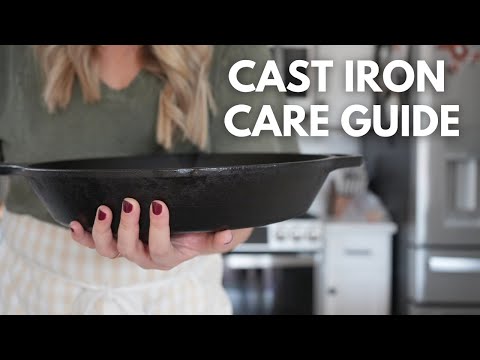
Video – Cast Iron Care Guide
Check out how I season my cast iron skillet. And don’t forget to subscribe to my YouTube channel. New videos come out weekly!
Tips for Cleaning Cast Iron
Use Regular Dish Soap: Yes, you can use soap to clean cast iron. The common myth that you can’t use soap comes from old-school practices when soap was caustic. But modern dish soap and warm water are fine to use.
Hand Wash: Look, I get it. I don’t like washing dishes by hand either. But you’ll be heartbroken if you put your cast iron in the dishwasher. It will wreck the seasoning and potentially rust your pan. Luckily, if your skillet is well-seasoned, it should take only a minute to wipe it out.
Avoid Metal Scrubbers: Technically, you can use metal on cast iron. But I’ve found it can sometimes scrape off the seasoning, especially if you have a few thick spots. I used a chainmail scrubber once, and it took off bits of my seasoning. I’ve since switched to a Scrub Daddy, and it works like a charm.
Don’t Soak: Even the best-seasoned skillets can rust if they are soaked. It’s okay to wash your skillet with water. But don’t soak it. If you have stubborn, stuck-on food, you can simmer a little water in the pan to loosen it up. But be sure to pour the water out and wipe down your skillet with a little oil afterwards.
Thoroughly Dry: In the same vein as above, completely dry your skillet after each wash to prevent rust.
What Oils Can I Use for Seasoning Cast Iron?
High Smoke Point Oils: Almost any neutral cooking oil will work, but high-smoke-point oils like avocado, vegetable, or canola oil are best. They are affordable and can handle 450 to 500° F without breaking down.
Low Smoke Point Oils: Using flaxseed oil or other low-smoke point oils to season cast iron is a growing trend. They will certainly work, but because they have a low smoke point, you will need to adjust the seasoning temperature.
Animal Fats: You can season cast iron with animal fats, and traditionally lard was commonly used. However, animal fats can go rancid more quickly, so they are not ideal if you do not cook with your skillet regularly.
Unseasoned vs. Seasoned Cast Iron FAQs
Neither. Enameled cast iron has a thin glass coating that protects it from rust. While you don’t have to worry about seasoning it, do keep in mind that enameled cast iron isn’t non-stick. You will need to add oil to enameled cast iron as you do with stainless steel or other cookware.
A well-seasoned cast iron pan is dark black, smooth to the touch, semi-glossy, and releases food easily.
Almost never, because even rusty or poorly seasoned cast iron can usually be stripped and reseasoned (though it is a pain to strip).
You only need to reseason if the surface becomes dull, food sticks, or it develops rust.
Yes, factory seasoning is usually thin, and adding additional layers at home improves nonstick performance and durability.
Technically, yes, though it isn’t ideal. You can cook in unseasoned cast iron, but the food will likely stick. If there is rust, you will need to strip and re-season it before cooking.
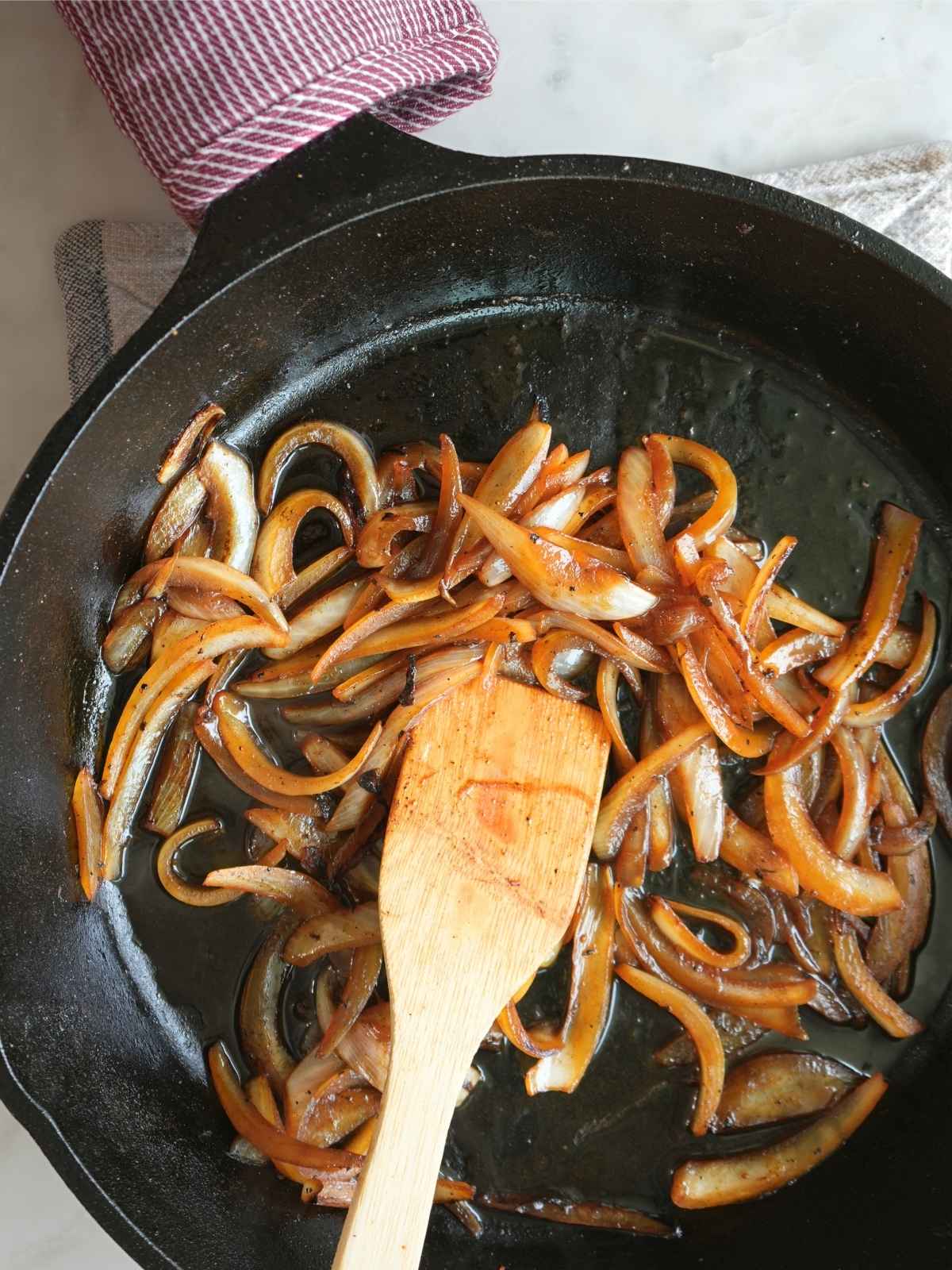
More Cast Iron Guides


If you tried seasoning (or re-seasoning) your cast iron or any other recipe on my blog, please let me know how it went in the 📝 comments below. Thanks, y’all!